
About the Museum
The Serbian Historical Museum was founded in 1963 as the central institution for collecting, preserving, researching and presenting the material testimony of the modern history of the Serbian people.

About
The Serbian Historical Museum from its founding to today
The Serbian Historical Museum is a museum institution of the complex type, charged with collecting, preserving, studying and scholarly processing the material testimony of the history of Serbia, with maintaining and expanding its collections and the information and documentation about them, and with making them available to the public. The museum's task is also to articulate and interpret, responsibly and expertly through its displays, knowledge about the past of Serbia and the Serbian people, as well as of the other peoples and cultures in the territory of Serbia, and to connect the public with the national historical heritage.
Founding
The founding of the museum unfolded in several phases. A first, unrealised attempt was made in 1950 with the Decree on the establishment of the Historical Museum of the People's Republic of Serbia. A second attempt came in 1954, for the 150th anniversary of the First Serbian Uprising, when an exhibition devoted to that theme was created and moved to the konak of Prince Miloš Obrenović in Topčider. The Museum of the First Serbian Uprising was thus formed.
Finally, by a decree of the Executive Council of the People's Assembly of the People's Republic of Serbia on 20 February 1963, the Historical Museum of Serbia was founded — out of the need for “a museum of general type that would comprehensively present the rich history of the Serbian people.” The Museum of the First Serbian Uprising was merged into the new institution, and the konak of Prince Miloš, an exceptional example of Balkan architecture, long remained the museum's only exhibition space.
By a decision of the Government of the Republic of Serbia of 3 September 2026, the museum’s name was changed to the Serbian Historical Museum.
Concept and remit
Under the concept adopted in 1966, the museum's task was to collect, record, preserve, arrange, study and exhibit material from the history of the Serbian people and of Serbia, from the earliest times to the present. The subject matter was divided into several units: the Middle Ages, the period of foreign rule, the period 1804–1918, the period of the People's Liberation War 1941–1945, and the post-war development of Serbia.
The museum is responsible for the protection of art-historical works significant to the history of Serbia: arms and military equipment, uniforms, flags, insignia (medals, orders, badges, charters), realia and memorial objects, maps, plans and atlases, seals, posters, leaflets and proclamations, photographs and postcards, and factory-made industrial and technical material.
Exhibitions, publications and awards
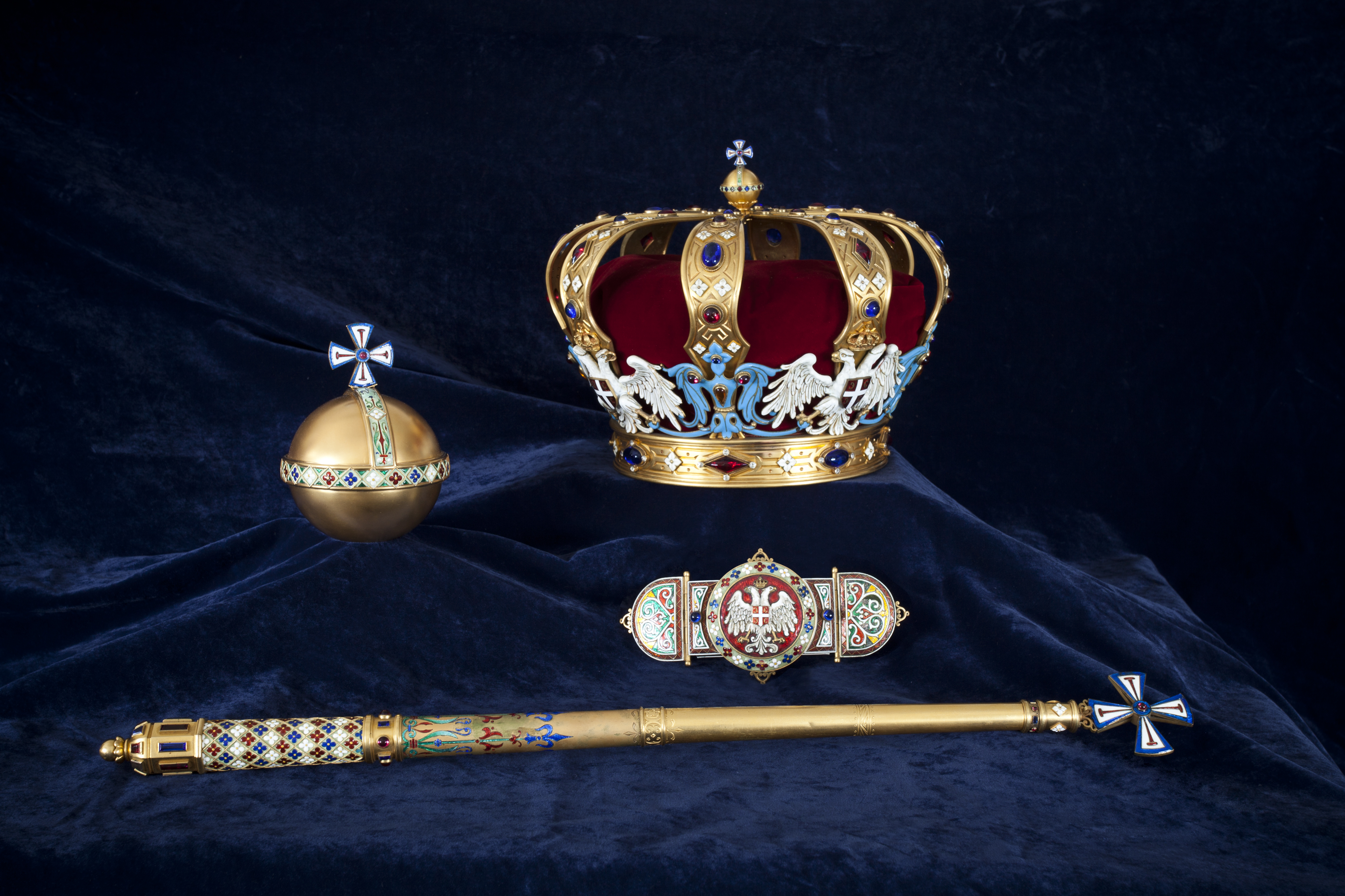
Over more than half a century, the museum has organised numerous landmark exhibitions shown not only in Belgrade and other towns in the country but also in Europe and the USA, among them: “The Obrenović Dynasty — from the Legacy” (1996), “Official Dress in Serbia in the 19th and 20th Centuries” (2001), “The Icon — a Serbian Historical and Spiritual Image” (2011), “The Karađorđević and Obrenović Dynasties in the Collections of the Serbian Historical Museum” (2013), “Serbia 1914” (2014), “Mihajlo Pupin — from Physical to Spiritual Reality” (2015), “The End of the Great War” (2018), “Serbian Kings and Saints” (2020) and “Waiting for the Permanent Display” (2023).
Alongside exhibition and collection catalogues, the museum has issued important special editions, and for its 50th anniversary in 2013 it published a monograph about the museum. For its work it has received high honours — the Vuk Award (1997) and the “Mihailo Valtrović” award of the Museum Society of Serbia (2015), and in 2013 it was decorated with the Order of Sretenje.
The Statute of the Serbian Historical Museum and accompanying documents are available in the Documents section.
